Christmas Stuff: A Designer's Take on Holiday Embroidery
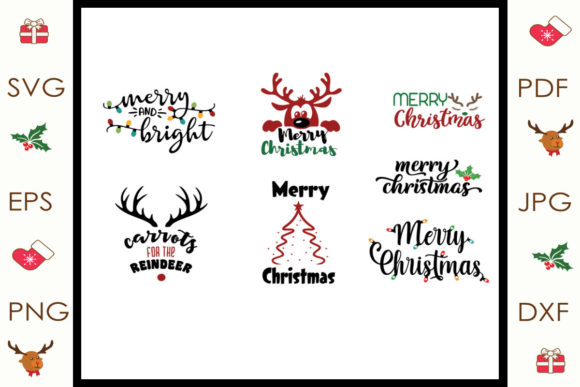
As someone who spends more time staring at stitch maps than most people spend looking at their own family photos, I approach every new machine embroidery design with a mix of excitement and skepticism. When I first loaded the Christmas Stuff file into my software to preview it for a potential client project, my initial reaction was one of genuine warmth. This isn't just another generic snowflake or candy cane; it is a cohesive collection within the Illustrations category that feels curated for the modern maker. The visual personality here strikes a balance between whimsical charm and the structural integrity needed for actual stitching.
First Impressions and Visual Mood
The layout of Christmas Stuff immediately suggests a narrative. Whether you are looking at a single motif or the collection as a whole, there is a playful yet sophisticated mood that avoids feeling childish. For embroidery designers, this is crucial. We often walk a tightrope between creating something festive and ensuring it doesn't look like a craft project made by a novice. The line work in this digital embroidery file appears clean, with a thoughtful distribution of satin stitch borders and fill stitch areas that suggest good coverage without excessive bulk.
What stands out most is the versatility of the theme. It doesn't scream "December 25th" so loudly that it becomes useless by December 26th. Instead, it captures the broader essence of the season, making it suitable for everything from early November decor to post-holiday clearance sales. The attention to detail in the smaller elements suggests that this design was created by someone who understands how thread behaves on fabric, not just how pixels look on a screen.
Real-World Application: The Boutique Sweatshirt Scenario
To truly test the viability of Christmas Stuff, I mentally walked through a recent request from a local boutique owner. She needed a run of limited-edition custom apparel—specifically, oversized crewneck sweatshirts—to sell in her shop during the holiday rush. She wanted something that felt handmade but polished enough to justify a premium price point.
In this scenario, Christmas Stuff shines. Placed centrally on the chest or slightly offset on the lower left hem, the design offers enough visual weight to stand out against heavy cotton blends. The stitch density appears moderate, which is vital for sweatshirt embroidery. If the density is too high, the fabric puckers; too low, and the backing shows through. Based on the preview, this design seems to respect the fabric texture of fleece and French terry, allowing the garment to drape naturally after stitching.
For an Etsy seller or small shop owner, the value proposition here is clear. A well-executed design on a quality blank transforms a $15 garment into a $45 handmade product. Customers are willing to pay for that perceived value, provided the finished product looks professional. The clarity of the lines in Christmas Stuff ensures that even from a distance, the embroidery reads clearly, enhancing brand recognition and customer trust.
Navigating Technical Challenges
However, no design is without its constraints, and a responsible reviewer must highlight where caution is needed. While Christmas Stuff performs well on stable fabrics like denim, canvas, or heavy knits, I would advise careful consideration when using it on stretchy or thin materials. If you are attempting baby embroidery on a delicate onesie, the density of the fill stitches might be too rigid for a newborn's sensitive skin or the stretch required for dressing.
Similarly, if you are planning to use this as an embroidered patch or on a curved surface like a cap, you need to evaluate the hoop size requirements. Complex illustrations often require larger hoops to maintain registration. If your machine has a small maximum hoop size, you may need to split the design or scale it down, which could compromise the tiny details. Always check the specific dimensions of the file before committing to a project involving caps or structured bags.
Another critical factor is the choice of thread colors. While the default color map in your software might look vibrant, real-world lighting can change perceptions. I strongly recommend testing the design in black and white mockups first to ensure the contrast holds up. On dark fabrics, you may need to adjust the underlay settings or choose a slightly lighter shade of thread to prevent the design from getting lost in the shadows. Conversely, on white tea towels or aprons, ensure your stabilizer choice doesn't leave visible residue that detracts from the crispness of the running stitch outlines.
Enhancing Product Value and Brand Consistency
Beyond the technical specs, the true power of Christmas Stuff lies in its ability to elevate your brand. For creative entrepreneurs selling design assets or finished goods, consistency is key. Using a cohesive set of illustrations allows you to create a entire holiday collection—matching tote bags, pillow covers, and kitchen towels—that feels intentional rather than random. This level of curation builds buyer engagement and encourages customers to purchase multiple items.
When used in commercial embroidery projects, the professionalism of the stitch output directly impacts your reputation. A design that pulls or gaps after the first wash destroys customer trust. While I cannot verify the long-term durability without physical stitching, the structural logic of the file suggests it was built to last, assuming proper stabilizer is used. For items that need frequent washing, like kitchen towels or children's clothing, always opt for a cut-away stabilizer to support the stitches over time.
Practical Notes for the Smart Designer
Before you dive into production with Christmas Stuff, here are a few non-negotiable steps I take with every new file:
- Test on Scrap Fabric: Never stitch a client's garment first. Use a scrap piece of the exact same material to check for puckering or registration issues.
- Verify Licensing: Since this falls under Illustrations, confirm whether the license allows for unlimited commercial use or if there are restrictions on the number of physical items you can sell.
- Check Stitch Direction: Review the angle of the satin stitches. Changing these slightly can sometimes reduce shine and give a more matte, premium look.
- Assess Detail Level: If scaling the design down for a small pocket logo, ensure the tiny elements don't merge into a blob of thread.
- Mockup Variety: Create printable mockups showing the design on various backgrounds to help customers visualize the final product.
Ultimately, Christmas Stuff represents the kind of asset that bridges the gap between hobbyist fun and professional utility. It offers the aesthetic appeal needed to catch a customer's eye on a crowded marketplace feed while maintaining the technical discipline required for high-quality finished product delivery. Whether you are decorating a single personalized gift for a loved one or stocking inventory for a busy holiday season, this design provides a solid foundation for creativity. Just remember to respect the materials, understand your machine's limits, and always prioritize the tactile experience of the end user.