Retro Vintage Merry Christmas: A Designer's Real-World Review
When I first pulled up the Retro Vintage Merry Christmas file on my screen, I wasn't looking for another generic holiday graphic. As someone who spends hours digitizing and stitching for clients, I need designs that hold up under the needle and look intentional, not just decorative. This piece falls squarely into the Illustrations category, but what caught my eye was its potential as a functional machine embroidery design for actual products. The mood is instantly nostalgic, evoking mid-century holiday cards with a clean, confident line work that suggests it was made for modern hooping rather than just digital display.
First Impressions and Visual Personality
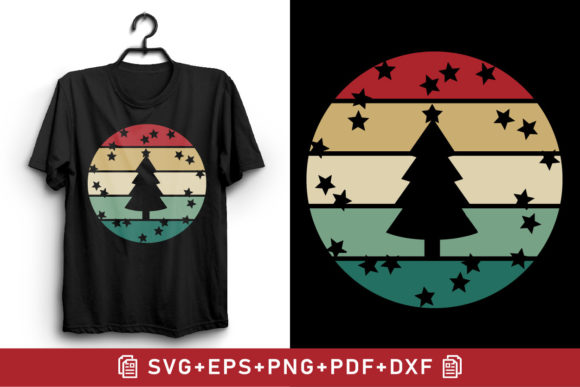
The layout of Retro Vintage Merry Christmas feels balanced without being rigid. It has that specific "vintage" weight to it—likely relying on bold outlines and perhaps some classic satin stitch borders or dense fill stitch areas to create depth. For a designer, the immediate question is always about clarity. Does the text legibility survive the transition from vector to thread? In this case, the typography appears robust enough to handle standard thread weights without bleeding together, a common pitfall in retro-style lettering where curves can get lost.
The visual personality here is warm and inviting, perfect for brands wanting to project a sense of tradition and handmade care. It doesn't scream "mass-produced"; instead, it feels like a handmade product waiting to happen. Whether you are an Etsy seller looking to refresh your December inventory or a boutique owner creating limited-run apparel, this design offers a strong foundation. The illustration style suggests it would pair beautifully with cream, forest green, or cardinal red threads, allowing the thread colors to do the heavy lifting in terms of contrast.
Real-World Application: The Holiday Tote Scenario
To truly test the viability of Retro Vintage Merry Christmas, I mentally walked through a typical client request: a custom order for a local bakery needing branded holiday tote bags. They want something that looks professional but festive. Placing this design on a canvas tote bag design makes immediate sense. The sturdy fabric of a tote can support the likely stitch density of a vintage illustration without puckering, provided the right stabilizer is used.
Imagine stitching this onto a natural cotton canvas. The retro aesthetic pops against the neutral background, creating a finished product that customers actually want to reuse. It transforms a simple bag into a personalized gift or a piece of seasonal merchandise that extends the brand's reach. Similarly, this design would shine on a heavyweight fleece sweatshirt embroidery project. The soft texture of fleece contrasts nicely with the crisp lines of the illustration, making it a standout piece for custom apparel lines. For small shop product creators, this versatility is key; one embroidery file can generate revenue across multiple product types.
Navigating Fabric Challenges and Hoop Limits
However, enthusiasm must be tempered with technical reality. While Retro Vintage Merry Christmas looks fantastic on paper, where should you use caution? If you are working with thin or stretchy fabrics, such as a lightweight tri-blend tee or a silky baby onesie for baby embroidery, the density of the design becomes critical. Vintage styles often utilize solid blocks of color which can weigh down delicate fabric texture. In these cases, testing on scrap fabric is non-negotiable. You might need to swap a standard cut-away stabilizer for a mesh version to reduce bulk while maintaining stability.
Another consideration is the hoop size. Retro illustrations can sometimes be wide. If you are aiming for a left-chest logo on a cap or a small pocket detail, you must verify the dimensions of the file before purchasing or stitching. Curved surfaces like caps present their own challenges; the center of the design needs to align perfectly to avoid distortion. If the design includes tiny details or fine running stitch elements, these might get lost on a textured towel or a looped Terry cloth. For holiday embroidery on kitchen towels, ensure the stitch count isn't so high that it compromises the absorbency or feel of the fabric.
Commercial Value and Brand Consistency
From a business perspective, using Retro Vintage Merry Christmas impacts more than just aesthetics; it influences perceived value. A clean, well-executed vintage design signals professionalism. For commercial embroidery projects, consistency is everything. If this design fits your existing brand palette and style, it reinforces buyer trust. Customers recognize quality when the stitches are crisp and the design sits flat. This is particularly important for craft business owners selling at high-end craft fairs or through boutique online stores.
Furthermore, this type of design asset is excellent for creating printable mockups before you even thread the machine. Having a strong visual preview helps in marketing your digital embroidery file services or finished goods. It allows you to show potential clients exactly how the embroidered patch or garment will look, reducing hesitation and increasing conversion rates. The "vintage" trend shows no sign of slowing down, making this a safe bet for inventory that needs to sell quickly during the Q4 rush.
Final Designer Notes and Best Practices
Before committing to a full production run with Retro Vintage Merry Christmas, here is my practical checklist for fellow makers:
- Test First: Always stitch a sample on the exact fabric you intend to use. What works on denim might fail on jersey knit.
- Check Contrast: View your design in black and white. If the details disappear in grayscale, they might get lost in the stitching too.
- Verify Licensing: Since this is a creative asset, confirm the license terms. Are you allowed to sell unlimited finished items, or is there a cap? This is crucial for Etsy sellers and commercial users.
- Inspect Details: Zoom in on the embroidery project file. Look for potential jump stitches that could be trimmed or areas where applique design techniques might yield a cleaner result than standard filling.
- Stabilizer Strategy: Don't skimp on stabilization. For dense vintage fills, a combination of tear-away and cut-away might be necessary to prevent shifting.
In conclusion, Retro Vintage Merry Christmas is more than just a festive image; it is a versatile tool for the modern maker. When applied with technical foresight and an understanding of material limitations, it elevates simple items into cherished keepsakes. Whether you are decorating a pillow cover, branding a line of aprons, or creating a unique wedding gift, this design offers the charm and durability needed to succeed in today's competitive handmade market. Just remember to respect the mechanics of the machine, and the results will speak for themselves.