Tree Christmas One Line Art: A Designer's Review
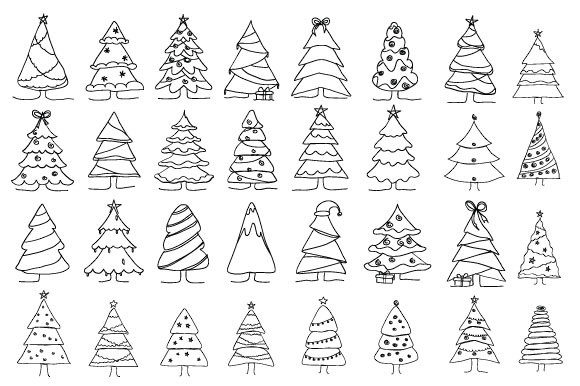
When I first pulled up the Tree Christmas One Line Art file on my screen, I wasn't looking for complexity. In fact, for the holiday rush, I often seek the opposite. As a designer who spends hours digitizing and troubleshooting stitch paths, there is a specific relief in finding an Illustrations style design that relies on flow rather than density. This particular design caught my eye immediately because of its minimalist confidence. It doesn't try to be everything to everyone; it commits fully to the single-line aesthetic, creating a mood that is modern, calm, and surprisingly festive without the visual noise of traditional heavy-fill Christmas trees.
The First Impression: Mood and Visual Personality
The immediate takeaway from Tree Christmas One Line Art is its elegance. In a market saturated with chunky satin stitches and dense fill patterns that can make garments feel like cardboard, this design offers breathability. The continuous line suggests movement, mimicking the hand-drawn quality of a sketch. For a craft business owner or an Etsy seller looking to differentiate their handmade product lineup, this visual personality is gold. It speaks to a customer who values subtlety and modern decor over loud, traditional holiday motifs.
The layout is inherently balanced. Because it is a one-line composition, the weight distribution is uniform, which usually translates well to machine execution. There are no isolated islands of stitching that might require excessive jumping or trimming. Visually, it feels airy. This makes it an ideal candidate for projects where the fabric texture needs to remain part of the story, rather than being completely covered by thread.
Real-World Application: The Custom Tote Bag Scenario
To truly evaluate this machine embroidery design, I imagined a specific real-life scenario: preparing a run of custom canvas tote bags for a boutique client's holiday gift guide. Canvas is a textured, somewhat unforgiving fabric. Heavy designs often sink in or distort the bag's structure. Here, Tree Christmas One Line Art shines.
If I were stitching this onto a natural cotton tote, the single line would sit proudly on top of the weave, creating a crisp contrast. I envision using a deep forest green or a classic red thread against the neutral background. The result would be a tote bag design that looks less like promotional merchandise and more like a piece of wearable art. Customers receiving these as personalized gifts would likely appreciate the understated branding opportunity. It allows for the addition of a monogram or a small date underneath without cluttering the visual field. The design's simplicity ensures that the finished product feels high-end and intentional, boosting the perceived value of the item significantly.
Versatility Across Apparel and Home Decor
Beyond totes, this design is incredibly versatile for custom apparel. Imagine a heather grey sweatshirt. A dense Christmas tree might feel too warm or stiff on the chest, but this linear approach offers sweatshirt embroidery that remains soft and flexible. It works equally well on the cuff of a sleeve or near the hem of a scarf. For baby embroidery, the lack of dense stitching is a major plus; it reduces scratchiness against sensitive skin, making it a safe and stylish choice for holiday onesies or bibs.
In the realm of home decor, think about linen napkins or tea towels. The holiday embroidery market often leans toward the ornate, but there is a growing demand for Scandinavian-inspired minimalism. Tree Christmas One Line Art fits this niche perfectly. Stitched in white-on-white or silver-on-grey, it becomes a subtle textural element rather than a bold graphic. It also translates beautifully to an embroidered patch. If you digitize a border around it or use a cut-and-sew method, the clean lines ensure the edges remain sharp and defined, avoiding the fraying issues common with complex shapes.
Technical Considerations and Fabric Challenges
However, a professional review must address the limitations. While the design is robust, its simplicity demands precision. When working with stretchy fabric like jersey knits, a single long run of stitching can sometimes cause puckering if the stabilizer isn't up to the task. Because there aren't multiple directions of stitching to lock the fibers in place (as you would get with a cross-hatch fill), the tension management is critical. I would strongly advise using a high-quality cut-away stabilizer for garments that will be washed frequently, rather than a tear-away, to maintain the integrity of that single line over time.
Similarly, caution is needed with dark fabric. If the thread color does not have sufficient contrast, the nuance of the one-line style can get lost. A dark navy tree on a black sweatshirt might look like a shadow rather than a design. Always test your thread colors against the specific fabric batch you are using. Furthermore, on highly textured fabrics like thick wool or bouclé, the fine details of the line might get swallowed up. This design performs best on smooth to medium-texture surfaces where the stitch definition can pop.
Curved surfaces, such as caps, present another challenge. The continuous line must navigate the curve of the crown without distorting. If the hoop size is too small or the framing is off, the tree could look warped. It is essential to check the design's pull compensation settings if you are editing the embroidery file yourself, or strictly follow the recommended hooping instructions provided by the creator.
Enhancing Brand Value and Customer Trust
From a business perspective, the clarity of Tree Christmas One Line Art directly impacts brand consistency. For small shop owners, having a signature look is vital. This design acts as a versatile asset that can be scaled up for a pillow cover or scaled down for a tag without losing its identity. When customers see a clean, well-executed stitch, it signals professionalism. It tells them that the maker cares about the finished product quality. In contrast, a muddy or overly dense design can sometimes look cheap if the thread coverage isn't perfect. The forgiving nature of this linear style means fewer rejected items and higher customer satisfaction.
Final Designer Notes and Best Practices
Before committing to a full production run, always test the design on scrap fabric that matches your final material. Check the stitch density visually; even though it is a line design, ensure the machine isn't overlapping stitches unnecessarily, which can create bulk. Review the start and stop points to minimize thread trims, which saves time and materials. If you are creating printable mockups for your online store, remember that this design photographs exceptionally well due to its high contrast and clean lines, making it a powerful tool for digital marketing.
Finally, verify the licensing terms. While many digital embroidery file creators allow commercial use for finished physical goods, restrictions often apply to reselling the file itself or using it in mass-produced manufacturing. Confirm these details to protect your craft business. Whether you are a hobbyist making gifts or a professional decorator fulfilling large orders, Tree Christmas One Line Art offers a sophisticated, practical solution that bridges the gap between artistic expression and technical reliability.